

Therapy

Becoming a Music Therapist, MT-BC

Music Therapists are certified to work with people of all ages with various disabilities. A Career in Music Therapy offers challenge, opportunity, and remarkable rewards but it is not an easy, breezy path to Board Certification. It takes years of education and training, clinical hours, an intensive internship, board exams, and a career of learning to become an MT.

Some believe that it takes a “special person” to be a therapist and I believe that to be true. There are several personal qualifications that a music therapist must possess in order to be healthcare professional. Personal qualifications of a Music Therapist include a genuine interest in people and a desire to help others reach their fullest potential. The essence of music therapy practice involves establishing caring and professional relationships with people of all ages and abilities. As well as proficient musical skills and a love of music, an MT must also exhibit empathy, patience, creativity, imagination, flexibility, an openness to new ideas, an understanding of oneself, and a drive to complete educational requirements and uphold the standards of the profession.
Continue reading

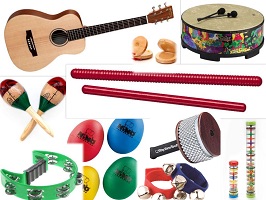
Top 10 Go-To Instruments for Music Therapy

From parents and clients to music therapy students and interns, I have been asked over and over again:

“Which instruments do you use the most and recommend I should have in my collection or at home?”

There’s a common misconception that a person must have some sort of musical background or training to receive music therapy services. I am here to tell you that is absolutely false. Whether someone grew up singing in church choirs or has had no musical experience whatsoever, music can still be a tool to help them reach their fullest potential. Almost everyone has had some experience with music. Just think about it, how did you learn the ABC’s? Probably a song, right? Most people also enjoy listening to some tunes while they drive, travel, exercise, or work.

Continue reading

The Difference in Music Therapy vs. Music Education

Although music therapy is an up-and-coming profession, some people still have trouble discerning the difference in music therapy and music education. I have been asked numerous times, “why should my child receive music therapy when they have a music class at school” or “my child already takes piano lessons so why would they need music therapy too?”

Well, the difference is clear when we take away the word music.

Therapy: Noun. The treatment of disease or disorders, as by some remedial, rehabilitating, or curative process (dictionary.com).

Continue reading